Why Do Dogs Lick You? The Sweet (and Science-y) Reasons
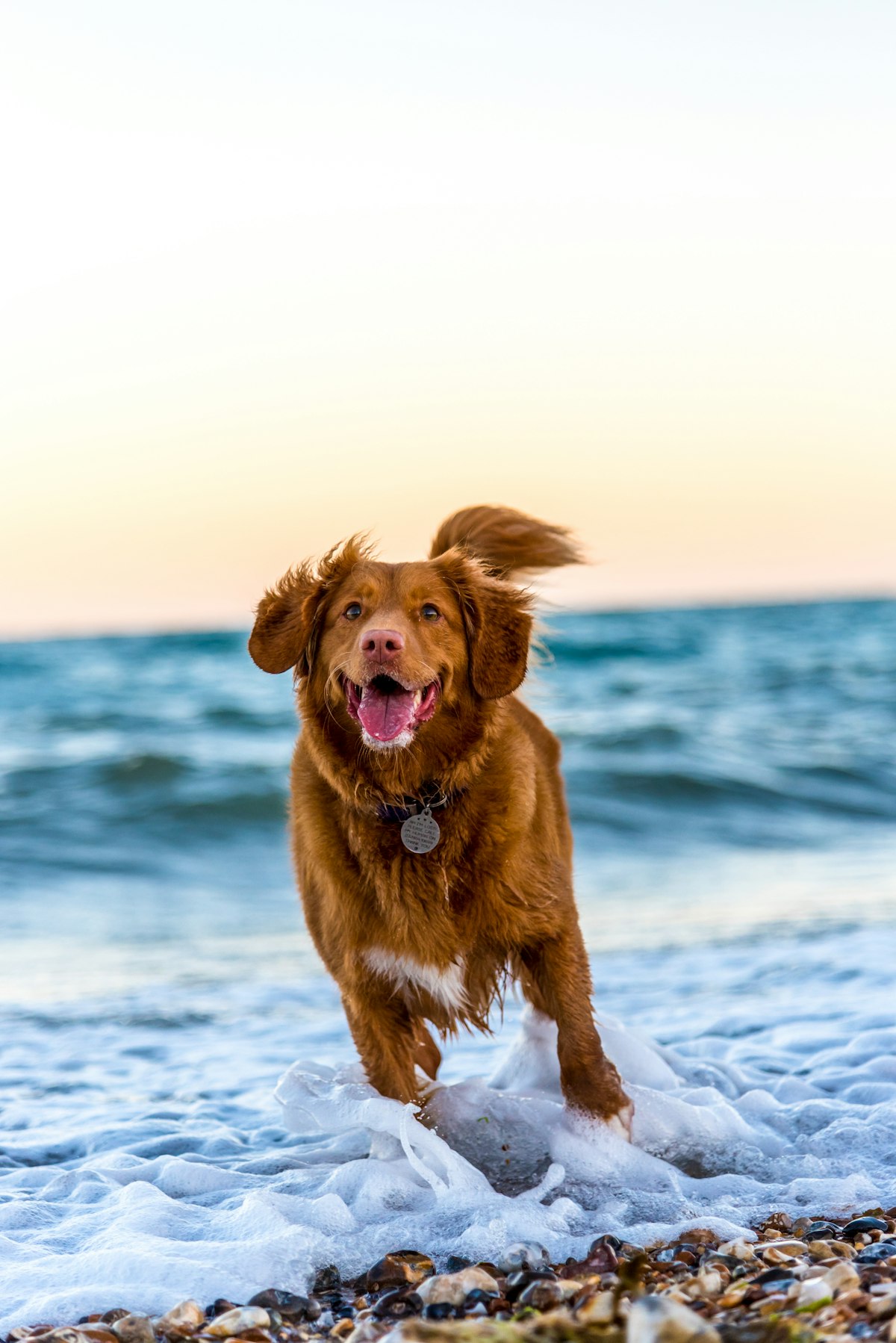
That slobbery greeting at the door isn't random. Licking is one of the main ways dogs communicate — with each other and with us. Here's what your dog is really trying to say.
Worried about a specific symptom right now?
medical_servicesFree Symptom Checkerfavorite Affection and Bonding
Licking releases feel-good endorphins for your dog, and it's rooted in puppyhood — mothers lick their pups to groom and comfort them. When your dog licks you, they're often expressing affection and reinforcing your bond, the canine equivalent of a hug.
Pro tip: Licking that comes with a relaxed body and wagging tail is almost always friendly.
chat Communication and Attention
Dogs quickly learn that licking gets a reaction from us. If licking reliably earns attention, petting, or laughter, your dog may do it to start an interaction. They may also lick to gather information — your skin carries taste and scent cues about where you've been and how you feel.
- check_circleSeeking attention or play
- check_circleTasting salt on your skin
- check_circleReading your scent and mood
warning When Licking Is Excessive
Occasionally, compulsive licking signals stress, anxiety, or even nausea. If your dog licks surfaces, the air, or themselves obsessively, it's worth mentioning to your vet to rule out an underlying issue.
Pro tip: Sudden excessive lip-licking can be a sign of nausea — watch for it alongside other symptoms.
Frequently Asked Questions
Is it OK to let my dog lick my face?
For most healthy people it's low-risk, but avoid letting dogs lick open wounds or the faces of very young, elderly, or immunocompromised people.
Why does my dog lick me then bite gently?
This is often playful behavior or 'love nibbling' — a normal way dogs interact, especially if relaxed and wagging.
Not Sure If It's Serious?
Use our free 3-minute symptom checker for a personalised assessment of your dog.
medical_servicesStart Free Diagnosis