My Cat Is Sneezing a Lot: Cold, Allergy, or Something Worse?
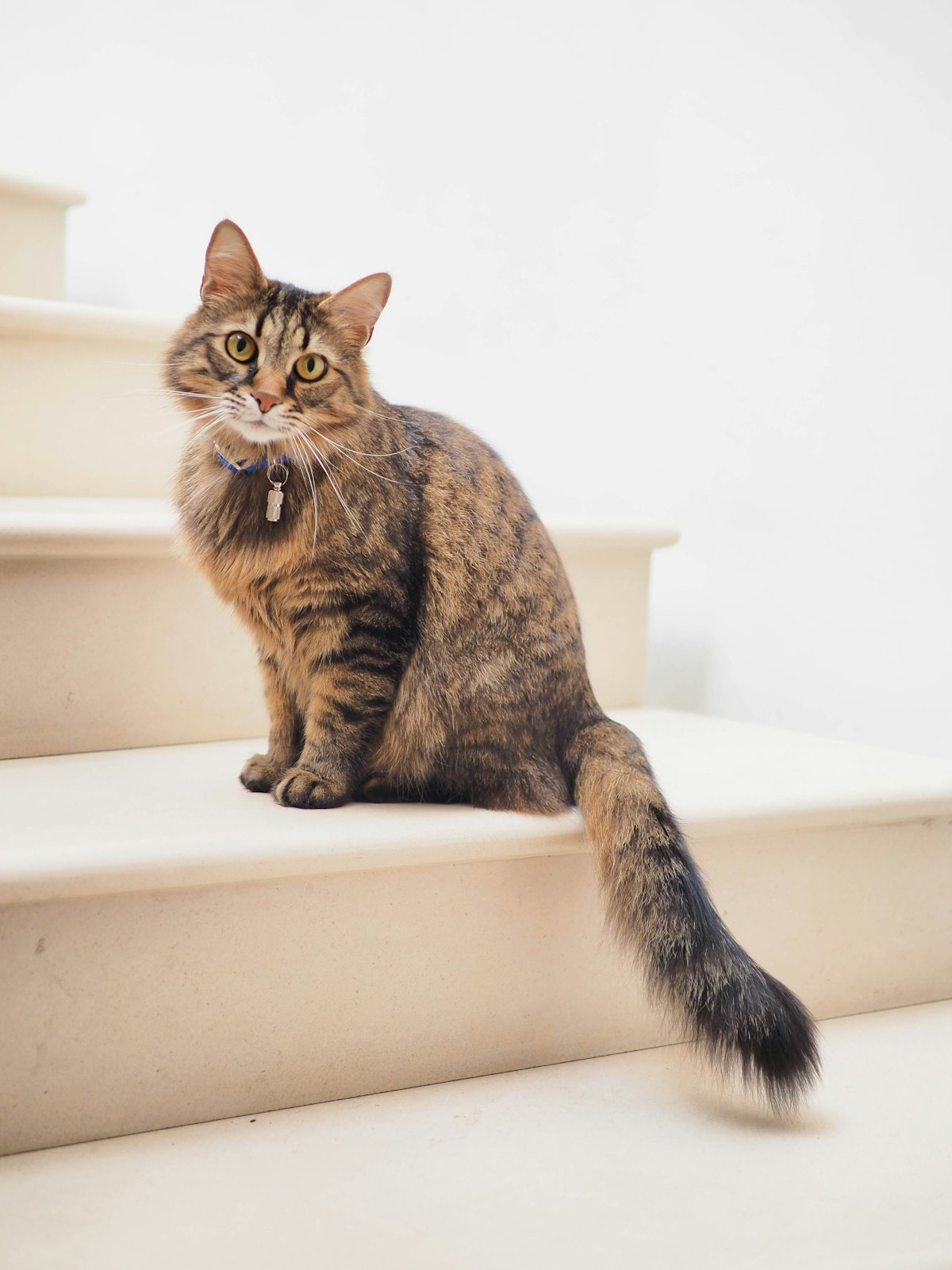
Your cat just sneezed for the fifth time in ten minutes — and now you are staring at your screen searching "cat sneezing a lot." Occasional sneezes are normal, but when the sneezing becomes frequent or is accompanied by other symptoms, it is worth paying attention. The key question most cat owners face is whether this is a passing irritation, an allergy flare-up, or a sign of an upper respiratory infection that needs veterinary care.
Worried about a specific symptom right now?
medical_servicesFree Symptom Checkerchecklist Symptoms to Watch For
Sneezing rarely happens in isolation when something is wrong. Watch for these accompanying signs to help narrow down the cause:
- check_circleNasal discharge — clear discharge often suggests allergies or mild irritation; yellow, green, or thick discharge points toward infection
- check_circleWatery or red eyes — common with both allergies and viral infections like feline herpesvirus
- check_circleCoughing or wheezing — may indicate the issue has moved deeper into the respiratory tract
- check_circleLoss of appetite — cats that cannot smell their food often stop eating, which can become dangerous quickly
- check_circleLethargy or hiding — a cat that is unusually withdrawn may be fighting off an infection
- check_circlePawing at the face or nose — suggests discomfort or congestion
- check_circleNoisy breathing or open-mouth breathing — a red flag that warrants immediate veterinary attention
search Possible Causes
Sneezing in cats has a surprisingly wide range of potential causes. The most common include:
- check_circleViral upper respiratory infections (URIs) — feline herpesvirus (FHV-1) and feline calicivirus are the two biggest culprits. These are the feline equivalents of the common cold — highly contagious among cats and often lifelong once contracted, with herpesvirus in particular capable of flaring up during stress.
- check_circleBacterial infections — often secondary to a viral infection. Chlamydia felis, Bordetella bronchiseptica, and Mycoplasma species can all cause sneezing and nasal discharge.
- check_circleAllergies — cats can develop allergies to pollen, dust, mold, cigarette smoke, perfumes, cleaning products, and even certain types of cat litter. Unlike humans, cats with allergies tend to show respiratory and skin symptoms rather than just sneezing.
- check_circleEnvironmental irritants — scented candles, essential oil diffusers, air fresheners, and dusty environments can all trigger sneezing fits. Some essential oils (tea tree, eucalyptus, citrus) are actually toxic to cats.
- check_circleForeign bodies — grass blades, small seeds, or other debris can become lodged in a cat's nasal passage, causing persistent sneezing, often with discharge from only one nostril.
- check_circleDental disease — tooth root abscesses in the upper jaw can extend into the nasal passages and cause sneezing. This is often overlooked but surprisingly common in older cats.
- check_circleNasal polyps or tumors — more common in older cats, these can cause chronic sneezing, noisy breathing, and sometimes facial deformity.
home Home Care Tips
If your cat is sneezing but otherwise acting normal — eating, drinking, and behaving like themselves — you can try these supportive measures at home:
- check_circleRun a humidifier in the room where your cat spends the most time. Moist air helps soothe irritated nasal passages and loosen congestion.
- check_circleBring your cat into the bathroom while you shower. The steam can provide temporary relief, much like it does for a congested human.
- check_circleGently wipe away nasal discharge with a warm, damp cloth. Keep the area around the nose clean to prevent crusting.
- check_circleWarm up wet food slightly to make it more aromatic. Cats rely heavily on their sense of smell to eat, and congestion can cause them to stop eating — which can lead to hepatic lipidosis (fatty liver disease) in as little as 48 hours.
- check_circleReduce environmental irritants — stop using scented candles, plug-in air fresheners, and essential oil diffusers. Switch to a low-dust, unscented cat litter.
- check_circleMinimize stress — stress is a major trigger for feline herpesvirus flare-ups. Maintain a consistent routine, provide hiding spots, and consider using feline pheromone diffusers like Feliway.
- check_circleIsolate if you have multiple cats — respiratory infections spread quickly in multi-cat households.
local_hospital When to See a Vet
Do not wait if you notice any of these red flags:
- check_circleYellow, green, or bloody nasal discharge — indicates bacterial infection
- check_circleSneezing that persists for more than a few days without improvement
- check_circleLoss of appetite for more than 24 hours — cats cannot safely go long without eating
- check_circleDifficulty breathing, open-mouth breathing, or noisy respiration — this is an emergency
- check_circleLethargy, fever, or signs of pain
- check_circleDischarge from only one nostril — could signal a foreign body or polyp
- check_circleSwelling or asymmetry of the face
Frequently Asked Questions
Can cats catch a cold from humans?
No — the viruses that cause the common cold in humans are species-specific and cannot infect cats. However, cats have their own respiratory viruses (feline herpesvirus and calicivirus) that cause similar cold-like symptoms. These feline viruses can only spread between cats, not from humans to cats or vice versa.
How long does a cat cold usually last?
An uncomplicated feline upper respiratory infection typically lasts 7 to 10 days, with symptoms peaking around days 3–5. However, cats infected with feline herpesvirus remain carriers for life and may experience periodic flare-ups during times of stress, illness, or other immune challenges. If symptoms persist beyond 10 days or worsen at any point, a veterinary visit is warranted.
Not Sure If It's Serious?
Use our free 3-minute symptom checker for a personalised assessment of your pet.
medical_servicesStart Free Diagnosis