Signs Your Cat Is Sick: 12 Subtle Warning Signs Owners Miss
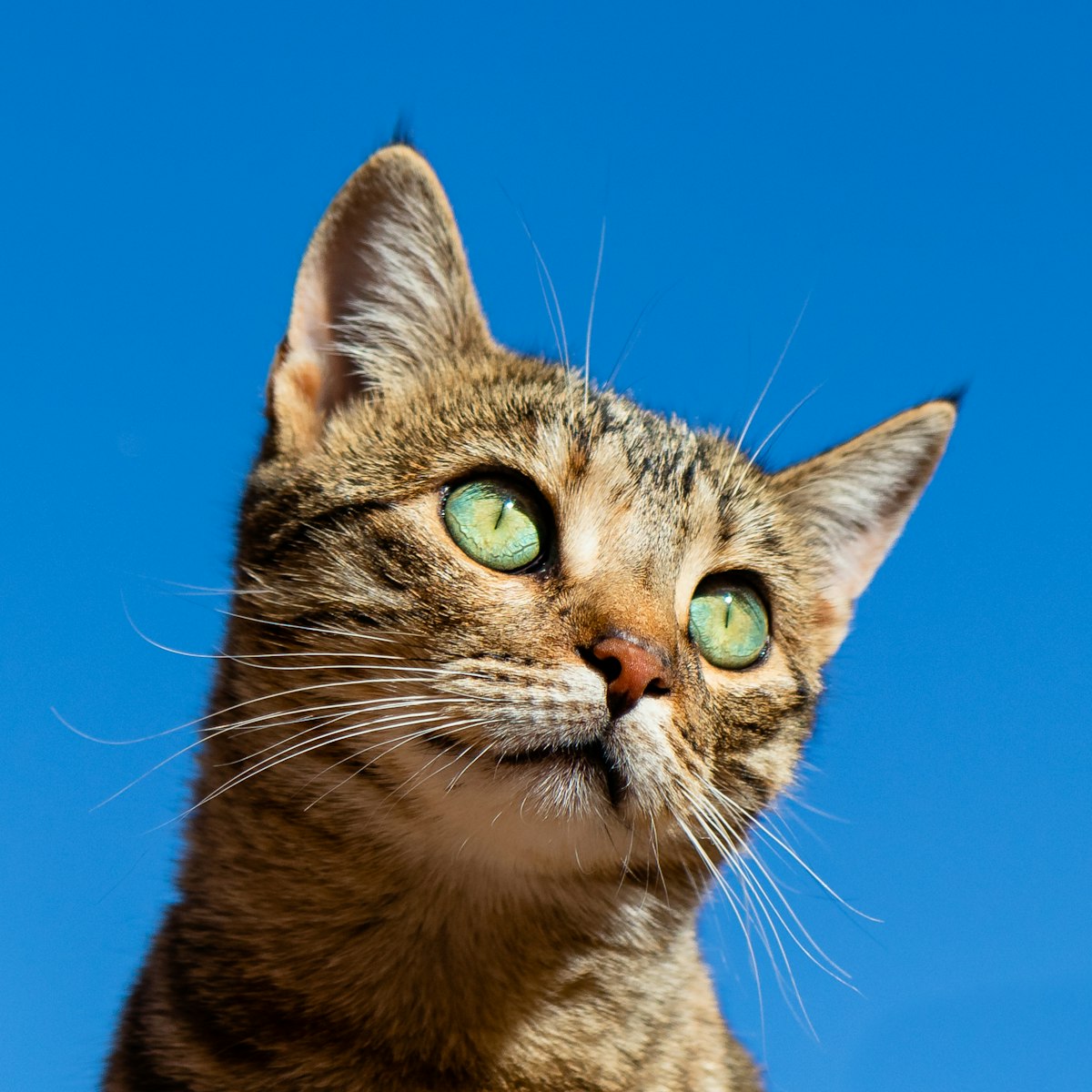
Cats are evolutionary masters of disguise when it comes to illness. As both predator and prey in the wild, a sick cat is a vulnerable cat — so felines have developed an extraordinary ability to hide pain and disease until conditions are advanced. This survival instinct serves them poorly in domestic life, where early detection of illness can mean the difference between a treatable condition and a crisis. The signs your cat is sick are often subtle enough that even attentive owners can overlook them for weeks or months.
Worried about a specific symptom right now?
medical_servicesFree Symptom Checkerwarning The 12 Warning Signs
Here are the most commonly missed indicators that your cat needs veterinary attention:
1. Changes in grooming habits A cat that stops grooming may be in pain (arthritis makes reaching certain areas uncomfortable), nauseous, or systemically ill. Conversely, over-grooming — licking a specific area until the fur is thin or the skin is raw — can indicate pain beneath that spot, allergies, or stress-related compulsive behavior. A greasy, matted, or unkempt coat is never just laziness.
2. Altered litter box behavior Cats do not urinate on your laundry or defecate on the bathroom rug out of spite. Eliminating outside the box is almost always a sign of a medical issue — urinary tract disease, arthritis (making it painful to climb into a high-sided box), or gastrointestinal distress. A cat that vocalizes, strains, or spends extended time in the box is signaling a problem.
3. Weight loss despite a normal appetite Unexplained weight loss is a classic sign of hyperthyroidism (especially in cats over 8), diabetes, kidney disease, or intestinal lymphoma. Many owners miss this because the change is gradual and the cat is eating normally. Run your hands down your cat's spine and ribs monthly — if they feel more prominent than usual, your cat has lost weight.
4. Changes in water consumption Increased thirst (polydipsia) is a hallmark of kidney disease, diabetes, and hyperthyroidism. If you find yourself refilling the water bowl more often or the litter box clumps are larger and more numerous, this is a significant red flag. Decreased drinking is equally concerning and can lead to dehydration.
5. Bad breath Foul-smelling breath is not normal for cats. It can indicate dental disease (the most common health problem in adult cats), kidney disease (breath that smells like ammonia or urine), or diabetic ketoacidosis (a sweet, fruity smell). A cat's breath should be neutral — any persistent odor deserves investigation.
6. Hiding or changes in sleeping patterns A cat that suddenly spends all day under the bed or in the back of the closet is not being antisocial — they are likely unwell. Sick cats instinctively seek safety and isolation. Conversely, a cat that becomes unusually clingy or vocal may also be signaling distress.
7. Vocalization changes Increased vocalization — particularly a deeper, more insistent yowl — is a common sign of hyperthyroidism, hypertension (high blood pressure), or cognitive dysfunction in older cats. Pain can also cause a cat to vocalize, especially when moving or being touched. A normally quiet cat that suddenly becomes vocal, or vice versa, should be evaluated.
8. Changes in eating behavior This goes beyond simply not eating. A cat that approaches the food bowl eagerly but then walks away without eating may have dental pain. Dropping food while eating, chewing on only one side of the mouth, or preferring soft food over kibble can all signal oral disease. Increased appetite (polyphagia) combined with weight loss is a classic sign of hyperthyroidism or diabetes.
9. Eye changes Subtle eye changes are easily missed. Look for: a visible third eyelid (the whitish membrane that covers the inner corner of the eye), pupils that are unequal in size, cloudiness, squinting, or discharge. A persistently visible third eyelid is a non-specific but important sign that something is systemically wrong.
10. Posture and movement changes A cat that sits hunched with its paws tucked under and its head lowered — the "meatloaf" position — may be in abdominal pain. Stiffness when rising, reluctance to jump up or down, and hesitation on stairs are common signs of arthritis, not just "slowing down with age." Cats rarely limp obviously — you are more likely to notice a subtle head bob when they walk or a reduced stride length.
11. Coat and skin changes A previously sleek coat that becomes dull, dry, flaky, or matted is a reliable indicator of poor health. Dehydration, nutritional deficiencies, metabolic disease, and the inability to groom due to pain all manifest in coat quality. Skin tenting (gently pinch the skin over the shoulder blades — it should snap back immediately) is a quick test for dehydration.
12. Respiratory changes Cats are obligate nasal breathers and should never breathe with an open mouth except during intense exercise or extreme stress. Open-mouth breathing, panting like a dog, or breathing with visible abdominal effort is always an emergency. Subtler signs include an increased resting respiratory rate (more than 30 breaths per minute while sleeping), coughing (often mistaken for hairball retching), and wheezing.
pets What to Do If You Spot These Signs
If you notice one mild sign — say, slightly duller coat quality or one incident of litter box avoidance — monitor closely for 24–48 hours. If it persists or worsens, make a veterinary appointment. If you notice multiple signs simultaneously, do not wait. When scheduling the appointment, describe what you have observed specifically — "my cat has lost weight but is eating more than ever" gives your vet far more useful information than "my cat seems off."
Whenever possible, bring a video of the concerning behavior. Cats often act completely normal in the veterinary clinic, and video evidence can be invaluable for diagnosis. A photo of vomit, unusual stool, or abnormal posture can also be helpful.
local_hospital When to Treat It as an Emergency
Some signs of illness cannot wait for a next-day appointment. Seek emergency care if you observe:
- check_circleOpen-mouth breathing, panting, or respiratory distress
- check_circleInability to urinate (straining with no production)
- check_circleCollapse, unresponsiveness, or seizures
- check_circleProfuse vomiting or diarrhea with signs of dehydration
- check_circleKnown or suspected toxin ingestion (lilies, antifreeze, human medications)
- check_circleSudden paralysis of the hind limbs — a sign of aortic thromboembolism (saddle thrombus), which is excruciatingly painful and often fatal
- check_circleTrauma — even if the cat seems fine initially
Frequently Asked Questions
My cat seems completely fine but just hides sometimes. Should I worry?
Occasional hiding is normal feline behavior — cats enjoy enclosed spaces and quiet time. The concern arises when hiding represents a change from baseline. If your previously social cat suddenly spends most of the day under the bed, refuses to come out for meals or treats, or resists being touched when found, these are red flags. Trust your knowledge of your cat: you know what "normal" looks like. When that pattern shifts significantly and persists for more than a day or two, it is time for a veterinary visit.
Why are cats so good at hiding illness?
This behavior is deeply rooted in evolutionary survival. In the wild, a visibly sick or weakened cat becomes a target for predators and risks losing its social standing within a colony. Domestic cats retain this instinct despite living in safe homes — they will suppress visible signs of pain and illness until the condition is too advanced to conceal. This is why routine veterinary checkups (at least annually for young cats, twice yearly for seniors) remain essential even when your cat appears perfectly healthy. Blood work and physical exams can detect disease long before your cat decides to show you they are sick.
Not Sure If It's Serious?
Use our free 3-minute symptom checker for a personalised assessment of your pet.
medical_servicesStart Free Diagnosis